
Celebrating the 2025–2026 Technical Assistance Program Cohort
2-October-2026
The Institute for Sustainable Infrastructure (ISI) is pleased to recognize the completion of the 2025–2026 Technical Assistance Program (TAP) cohort and the progress made by participating project teams over the past year.
TAP was created to help expand access to the knowledge, expertise, and resources needed to advance more sustainable, resilient, and equitable infrastructure — particularly for projects and communities that may have limited access to sustainability resources and technical assistance.
Through the program, ISI works directly with project teams to build their capacity to use the Envision Sustainable Infrastructure Framework as a tool for planning and decision-making. Participants receive Envision Sustainability Professional (ENV SP) training, complete the Envision Applicants Course, and work with academic subject matter experts who provide additional expertise and perspective throughout the program. Project teams also receive technical support from ISI and a pathway toward Envision verification, with verification resources and fees waived through the program.
The 2025–2026 cohort represented a diverse range of infrastructure projects and communities, demonstrating the many ways Envision can be applied to real-world challenges.
Supporting Sustainable Infrastructure in Communities Around the World
Granabastos Community Campus — Colombia
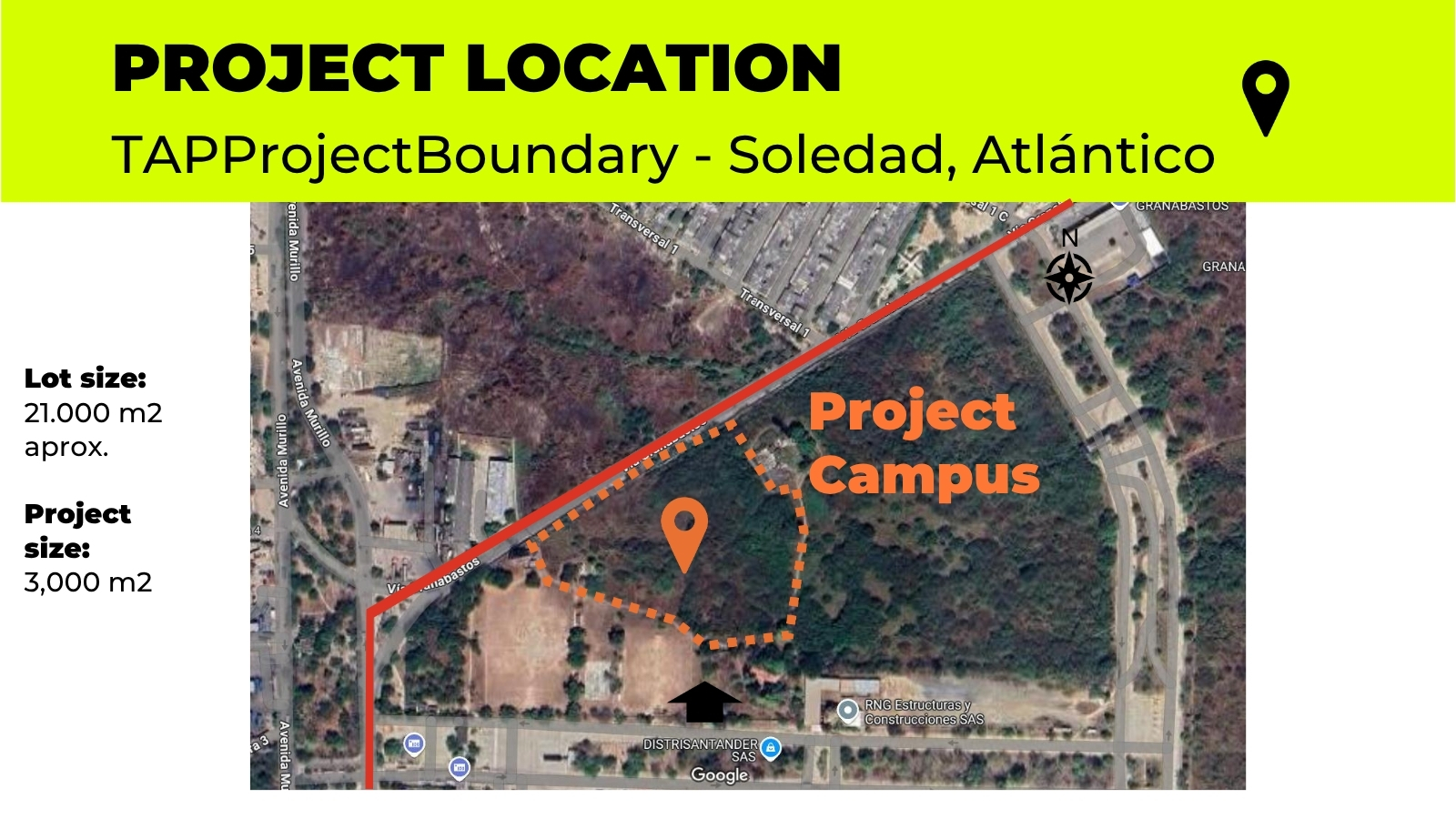 Granabastos, a major fresh food market and distribution center serving Colombia’s Caribbean coast, is developing a community campus to expand opportunities for children, youth, and families through education, vocational training, cultural activities, and community programs. The project incorporates sustainability goals including solar energy, food waste reduction, and efficient water management, and the project team plans to use Envision to guide its development and pursue verification. Over the course of the cohort, ISI worked with the project team and Syracuse University students through a civil engineering capstone design project to explore how Envision could be applied to the campus. Students assessed applicable credits, evaluated design alternatives, and developed supporting documentation while exploring strategies such as solar energy, composting, stormwater management, and efficient potable water use. The project was recognized as Syracuse University’s Best Capstone Project during Design Day in April 2026.
La Dorada–Chiriguaná Railway Corridor — Colombia
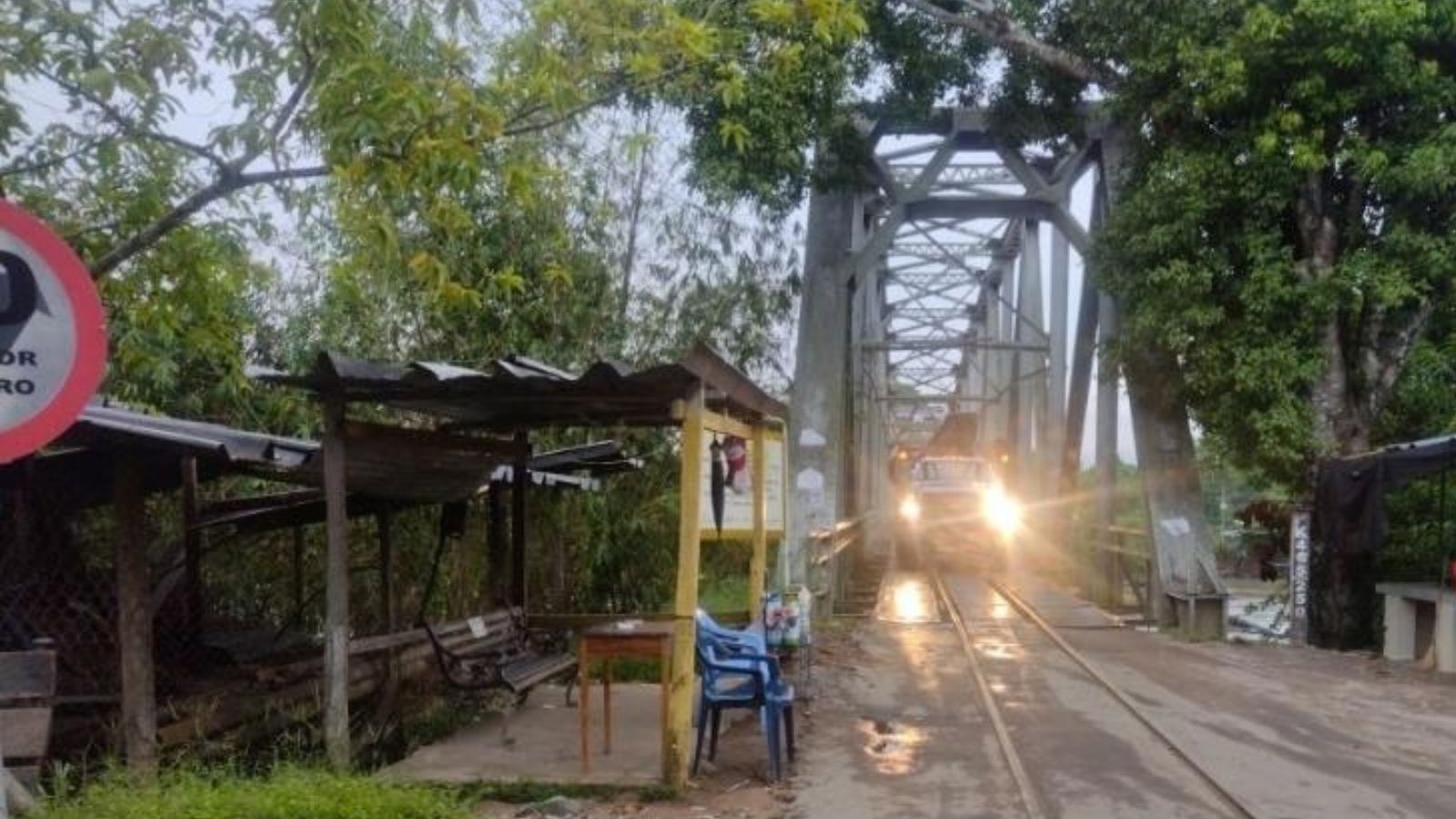 The 526-kilometer La Dorada–Chiriguaná Railway Corridor is a major initiative to modernize freight transportation in Colombia while improving the sustainability and resilience of the national transportation network. The project includes commitments related to emissions reduction, reforestation, climate adaptation, biodiversity, resource conservation, and disaster risk management, and the project team plans to use Envision to help advance these goals across the corridor’s development. As part of TAP, ISI connected the project team with Rice University through a capstone design project to explore the application of Envision to an evolving portion of the project. Working with the project team and faculty advisor Prof. David Abraham, students focused on the connection between a proposed bridge and the commercial area in Puerto Wilches, assessing applicable Envision credits and developing design alternatives and supporting documentation related to public space, social cohesion, local economic activity, sustainable development, and connectivity.
Rubidoux’s Water and Education Community Center — California, USA
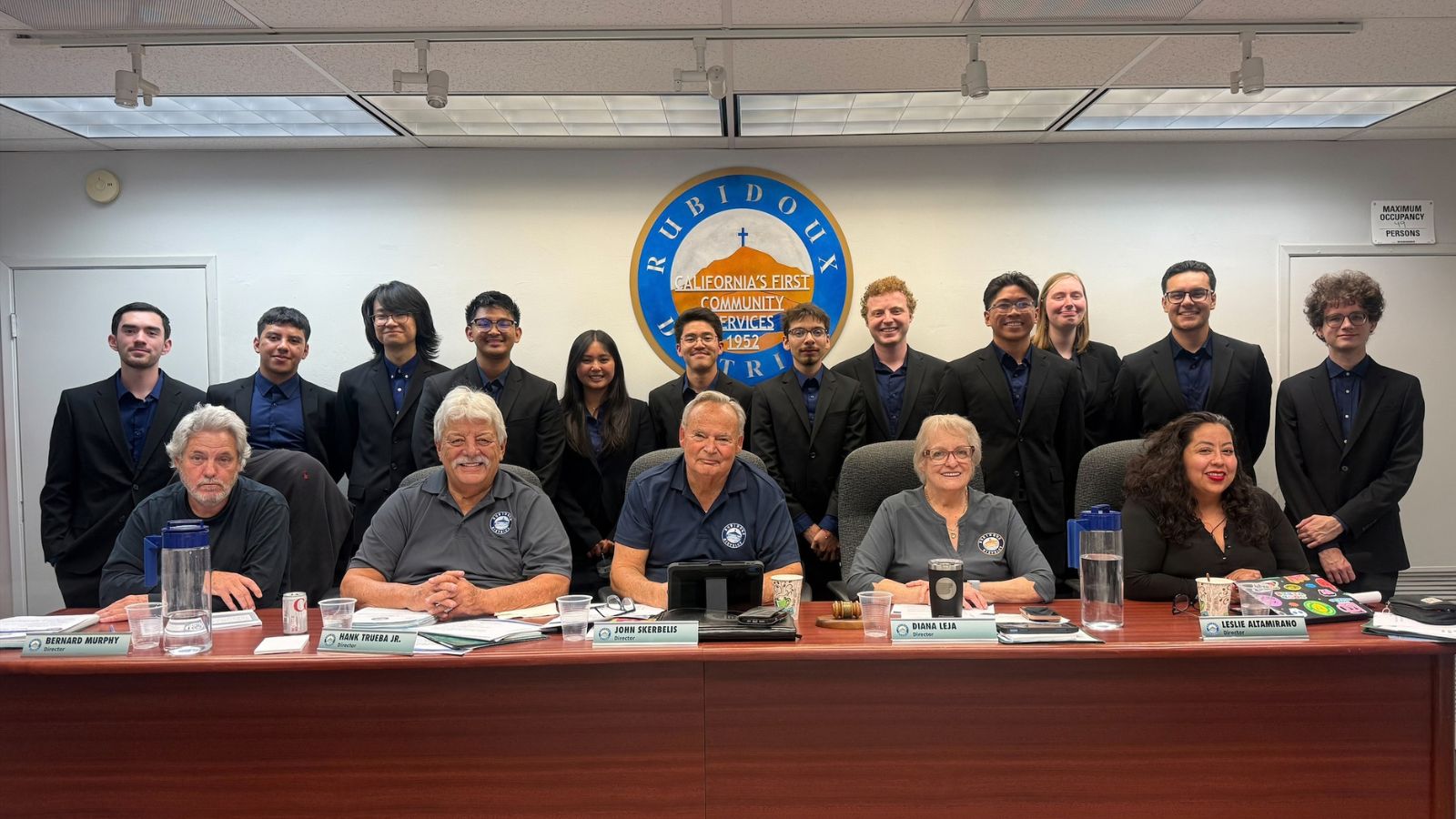 The Rubidoux community relies entirely on groundwater for its drinking water supply and faces challenges related to groundwater quality. To help address these needs, the Rubidoux District is developing a proposed Reverse Osmosis water treatment facility that would improve water quality while incorporating community amenities such as an Education Center, recreational space, and renewable energy. The project team plans to use Envision to guide its development and pursue verification, building both sustainability into the project and capacity to apply the framework to future community infrastructure. During this TAP cohort, ISI worked with the project team and Cal Poly Pomona through a civil engineering capstone design project, giving students the opportunity to visit the nearby facility and work directly with infrastructure professionals. Students applied Envision by assessing credits, evaluating design alternatives, and preparing supporting documentation while exploring strategies including stormwater management, backup power, modular expansion, and community education.
Rehabilitation of Santa Isabel Wastewater Treatment Plant — Puerto Rico, USA
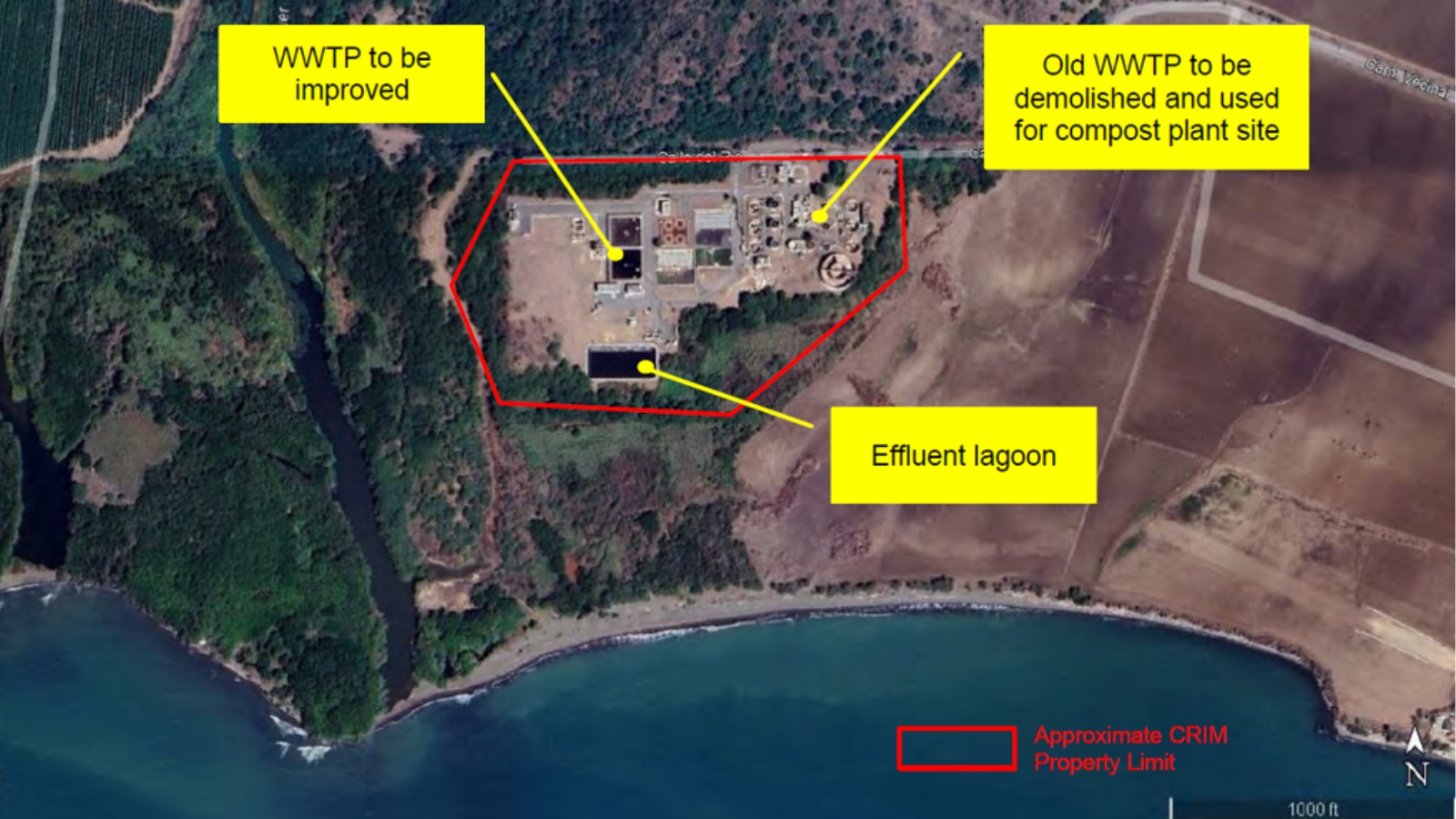 The rehabilitation of the Santa Isabel Wastewater Treatment Plant will improve wastewater management and environmental water quality for the communities of Santa Isabel and Coamo while supporting resource recovery and local economic benefits. The Puerto Rico Aqueduct and Sewer Authority (PRASA) plans to use Envision to guide sustainable improvements to its infrastructure, with a focus on resource efficiency, operational performance, environmental protection, and long-term community benefits. During this TAP cohort, ISI supported the project through academic collaborations with Syracuse University and Cal Poly San Luis Obispo. At Syracuse, one civil engineering capstone design team applied Envision to explore improvements related to treatment processes, energy generation, stormwater management, resource recovery, and site restoration. At Cal Poly San Luis Obispo, 40 students developed five rehabilitation proposals, with 10 students becoming ENV SPs and forming a dedicated Envision team to track credits across the proposals. Together, the academic teams evaluated alternatives and developed the documentation needed to demonstrate how Envision could be incorporated into the project’s rehabilitation.
The Work Continues
Completing the formal TAP program marks an important milestone for participating teams, but it does not mark the end of their work with Envision — or with ISI.
Infrastructure projects develop over many years and move through different stages of planning, design, construction, and Envision verification. The projects participating in the 2025–2026 TAP cohort are continuing along those different paths, applying what they have learned and advancing their projects toward their respective goals.
ISI will continue to offer support as these projects progress, and we look forward to highlighting their future milestones and achievements. From design decisions and construction progress to Envision verification and lessons learned, these projects offer valuable examples of how sustainability principles can be integrated into infrastructure in different communities and contexts.
The ongoing relationship between ISI and TAP participants is an important part of the program’s impact. By building knowledge and capacity within project teams — and connecting those teams with academic and technical experts — TAP aims to create lasting momentum for more sustainable infrastructure beyond the formal year-long program.
Help Advance the Next Generation of Sustainable Infrastructure
TAP is one way ISI is working to make the tools and expertise behind sustainable infrastructure more accessible to communities and project teams that can benefit from additional support. We look forward to continuing to follow the progress of the 2025–2026 TAP projects — and to supporting the teams as they turn knowledge into action.
Interested in learning more about ISI’s Technical Assistance Program? Click below for more information or to submit an expression of interest for participation in a future cohort. We are always accepting project applications which will be reviewed for selection during our annual recruitment period each spring.