

It’s Never Too Late for Envision: How Teams Can Benefit from Envision in the Later Stage of a Project
14-September-2026
When project teams think about Envision, they often focus on planning and design. Rightly so: the earlier sustainability goals are integrated into a project, the greater the opportunity to influence outcomes, optimize costs, and embed resilience into designs and operations. But if construction has already begun, it is not too late for Envision. In fact, the construction phase presents some of the most tangible and measurable opportunities to improve sustainable performance. Contractors, owners, and project teams can still make meaningful decisions that reduce waste, conserve resources, protect communities, enhance safety, and position projects for dramatically improved sustainability. While early planning remains the ideal approach, Envision demonstrates that sustainability is not a one-time planning or design exercise. It is a commitment that continues through construction and beyond.
The Best Time to Start Envision is Early but the Second Best Time is Now.
Projects that establish sustainability goals during planning and design can often achieve the greatest benefits. Early discussions allow teams to evaluate materials, optimize energy and water use, engage stakeholders, and develop comprehensive management plans before construction begins. However, construction is when shovels (or something bigger) hit dirt and things get real. And the reality is that construction activities can consume significant amounts of energy and water, generate large waste streams, impact nearby communities, and create safety and health risks that should be actively managed. Hidden within all of that is ample opportunity for project teams (not just the contractor) to implement strategies that will improve performance and outcomes aligned with Envision.
So the question should not be, “Is it too late to pursue Envision?”, but instead, “what opportunities still exist today?” Naturally, the possibility of whether a project can win an award might also arise. While project verification and awards are a key benefit for Envision users and owners, it shouldn’t be a barrier to a better project. And if the project already has obvious strengths in areas such as community buy-in, thoughtful siting, and resilient designs, it might still be possible to charge forward with verification.
Once design is done, you’re nearing or already in construction, but you’re committed to the framework – what then? Let’s look at some ways to use Envision.
Turning Waste Into a Valuable Resource
One of the most straightforward opportunities during construction is reducing and diverting waste. Envision credit RA1.4 Reduce Construction Waste encourages project teams to divert construction and demolition waste from disposal through recycling and beneficial reuse. The credit highlights the importance of waste management planning, identifying recycling opportunities, and finding practical ways to reduce materials sent to landfills. The majority of infrastructure projects these days are not greenfield projects, so existing materials for reuse or salvage is a high likelihood.
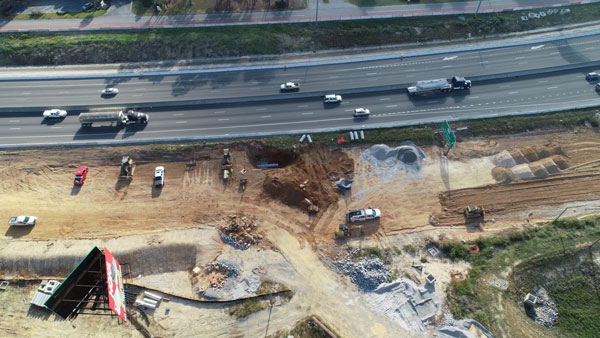
An image of the Carolina Crossroads: Phase 1 – Colonial Life Project site. Supported by HDR, the project was verified Envision Gold in 2026.
Construction waste diversion is often viewed as an environmental benefit, but it can also create operational advantages. Reduced disposal fees may offset collection and sorting efforts, while certain materials such as scrap metal may even have positive economic value. Onsite processing of materials may also reduce truck trips, which could improve community air quality and lead to safety improvements. Even if waste planning was not incorporated into the contract, construction teams can still identify their waste streams, implement tracking systems, establish recycling partnerships, and identify opportunities to salvage and reuse materials already being handled on the project.
Waste also doesn’t stop when the project is built. Depending on the project type, there could be significant active waste streams throughout the operation of the project, or potentially at the end of life for equipment or materials (e.g., asphalt). This also may present an opportunity aligned with LD 1.4 Pursue Byproduct Synergies, which teams calls for teams to “work with external groups to find beneficial use of waste, excess resources, or capacity.” This could be a short term or one time synergy (e.g., during construction) or a long-term recurring byproduct synergy or reuse with an external group. Looking ahead, the identification of the projected waste streams and creating an Operational Waste Management Plan, as outlined in RA1.3 Reduce Operational Waste, is also a great way to reduce the burden on landfills by taking a careful look at project waste and resources during operations.
Looking Beyond the Construction Fence
Let’s face it, construction can be a headache for neighbors. Noise, vibration, temporary access restrictions, lighting, and traffic disruptions can impact the daily lives of residents, businesses, and visitors. Envision credit QL1.6 Minimize Construction Impacts specifically focuses on reducing these temporary inconveniences and addressing stakeholder concerns through proactive management of impacts and two-way communication with affected communities.
The credit encourages the implementation of a construction management plan that addresses:
- • Noise and vibration mitigation
- • Safety and wayfinding
- • Access and mobility
- • Construction lighting impacts
- • Feedback mechanisms and performance monitoring
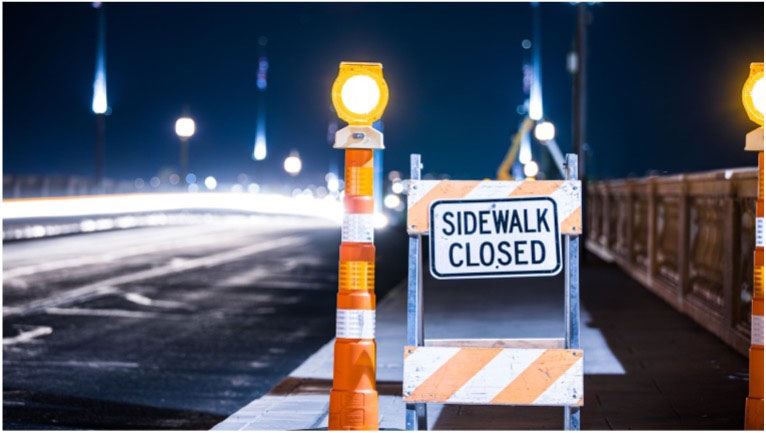 Many projects already have construction or project management plans in place. By expanding on these existing documents and procedures, the team can put measures in place to protect community quality of life, strengthen relationships, and improve safety. Importantly, these improvements can often be made during active construction. Whether that means adjusting work hours or schedules, reviewing traffic plans, improving communication with neighbors, enhancing pedestrian routing and wayfinding, or monitoring community feedback, meaningful progress can happen even after design decisions have been finalized.
Sustainability through Safety
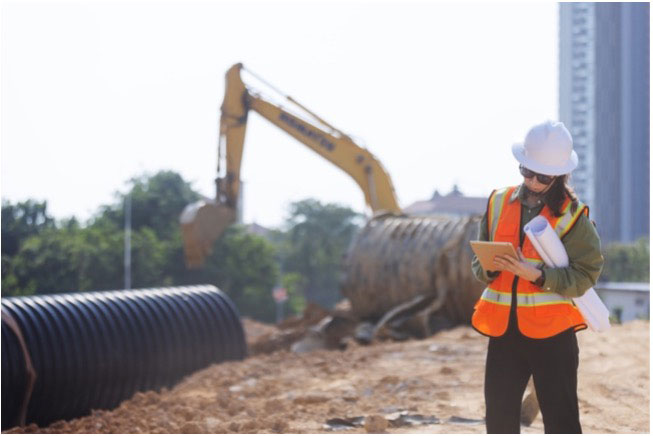
One commonly overlooked aspect of construction-phase sustainability is worker and public safety. Envision credit QL1.3 Improve Construction Safety recognizes projects that make strong commitments to monitoring safety performance, training personnel, managing risks, and supporting worker well-being. The credit emphasizes that enhanced safety practices benefit not only project personnel but also the broader construction industry.
Envision highlights several important elements, including:
- • Health and safety monitoring
- • Hazard identification and risk analysis
- • Reliable feedback mechanisms
- • Safety and security training
- • Comprehensive security planning
- • Worker health and wellness programs
For projects already under construction, safety programs can often be strengthened immediately through enhanced training, improved reporting systems, expanded wellness initiatives, and more rigorous monitoring. And the benefits extend beyond compliance. According to the credit guidance, organizations with strong safety records are often more competitive, attract and retain talented employees, and improve productivity through standardized procedures and consistent training.
Finding Opportunities to Reduce Water and Energy Use
While waste diversion, community impacts, and safety are highlighted within these Envision credits, construction teams should also look for opportunities to reduce resource consumption.
Even short-term construction activities consume fuel, electricity, and water. Small changes can produce measurable benefits, including:
- • Monitoring and reducing construction water use
- • Reducing idling time
- • Electrifying temporary operations where feasible
- • Tracking energy consumption
- • Optimizing site logistics to reduce fuel use
These actions, aligned with Envision Resource Allocation subcategories for energy and water, can help reduce costs, lower environmental impacts, allow for innovation, and build momentum for a broader sustainability program.
Progress Over Perfection
One of the most powerful aspects of Envision is that it encourages continuous improvement and innovation. Not every project begins with a comprehensive sustainability framework and organizational sustainability experience. Not every owner establishes ambitious goals at project kickoff. And not every contractor has Envision at top of mind. Yet opportunities still exist.
Teams have the ability to influence or direct how materials are managed, to address a community concern, to change how resources are consumed, and to reevaluate how workers and the public are protected. Decisions can still be made to improve project outcomes today while contributing to long-term sustainability and resilience goals. If your project is under construction, there is still time to make meaningful improvements — some of which might literally keep materials out of the trash And whether or not there’s an Envision award waiting for the team at the end, the best time for Envision is now!
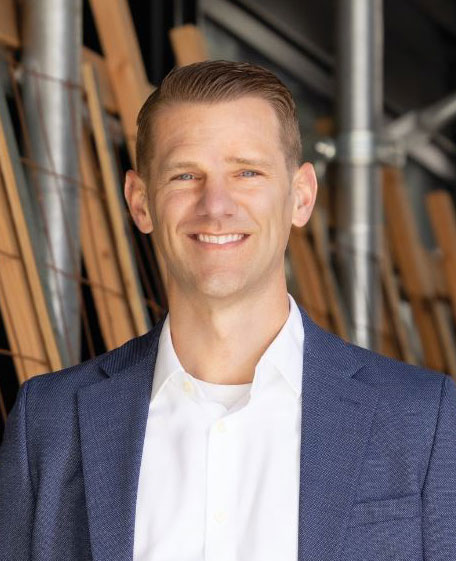 Author bio : Will is a Transportation Sustainability Leader with significant experience on client sustainability and clean energy projects. Will also serves as the Envision Practice Lead for HDR, helping guide HDR’s application of the Envision Sustainable Design tool on client projects. Will is committed to bringing sustainable and resilient approaches to each project and strives to make great things possible for his clients on their sustainability journeys. As a Transportation Sustainability Leader, Will leads projects or tasks for clients in Envision, decarbonization, electrification, sustainability planning, climate action plans, resiliency planning and more. Will serves as a leader in the business group both locally and nationally to collaborate and develop sustainability initiatives across different project and infrastructure types.
Image Credits: ISI; HDR (Carolina Crossroads: Phase 1 – Colonial Life photo).