

SUBWAY INFRASTRUCTURE: Times Square Shuttle Project
3-January-2024
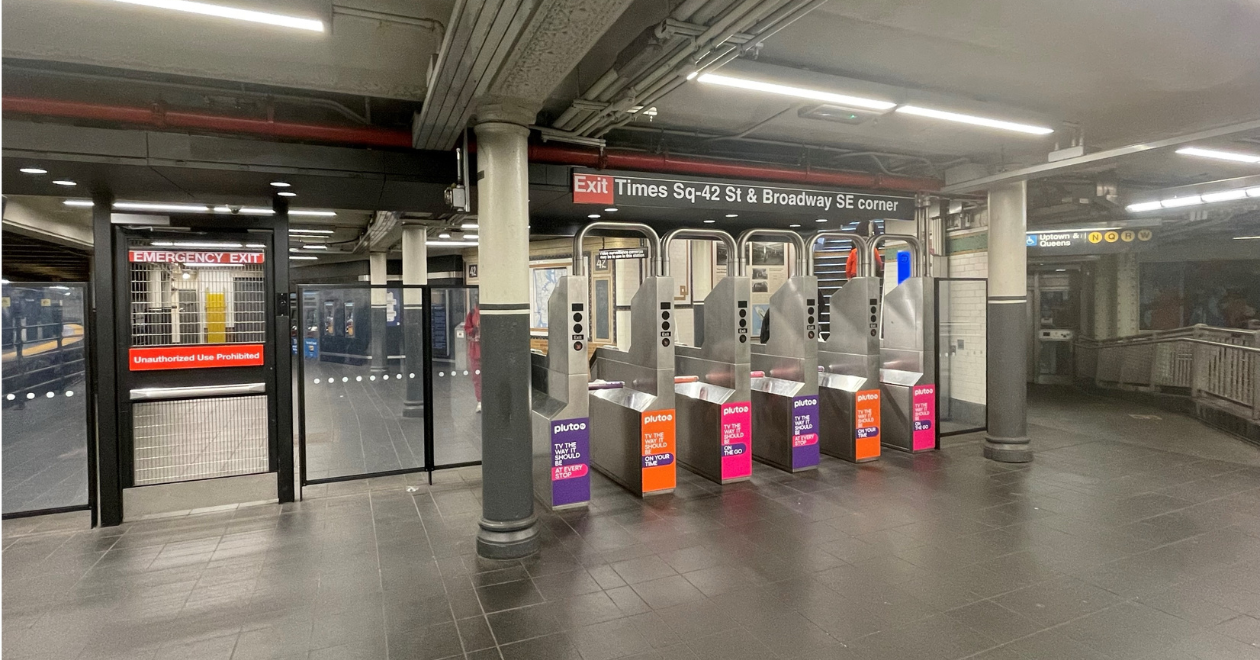
The Times Square Shuttle project in the Midtown Manhattan area of New York City has earned an Envision Verified Award for its efforts to produce sustainable, equitable, and resilient outcomes. This project was designed to reconstruct the existing Times Square / Grand Central (42nd Street) Station and alleviate deficiencies affecting operations, circulation, and customer safety. This involved converting the existing shuttle operations from three tracks down to two tracks, which included widening the associated platforms; reconfiguring the column framing, stairways, control areas, and signal systems; adding a removable platform bridge with an underpass; adding new safety railings and turnstiles; and rehabilitating architectural, structural, electrical, mechanical, fire, and communication systems.
The project team chose to use the Envision Sustainable Infrastructure Framework, which was designed to promote more sustainable, resilient, and equitable infrastructure projects, as a way to recognize the project’s endeavors. Envision is comprised of 64 sustainability and resiliency indicators (called credits) which are organized within five categories: Quality of Life, Leadership, Resource Allocation, Natural World, and Climate and Resilience. Together, the categories and credits address materials, energy, conservation, community development, planning, collaboration, human well-being, mobility, and more. Here are just two example below:
Enhancing Public Space & Local Character – Previously, stakeholders reported that the Times Square station offered only limited, cramped street access to the station below. This project reconfigures platforms and columns to increase public space, thus providing more efficient mobility for passengers and more room to appreciate the enhanced aesthetics of the station. Originally opened in 1904 as two of the original NYC Subway Stations, both the Times Square and Grand Central ends of the 42nd Street corridor maintain many of their original historic fixtures and finishes, which this project not only preserved, but restored. However, the Times Square neighborhood itself has evolved significantly since 1904 – known today for its bright lights and flashy aesthetics – and the project team sought to bring some of that character down into the station with updated lighting and new unique and colorful artwork.
Improving Sustainable Community Mobility – The Times Square Shuttle project improves access to public transportation and alleviates congestion to provide better connections to jobs, education, and other critical community services. Prior to construction, the subway’s entrances and corridors were too narrow, creating problems for accessibility, efficiency, and safety. By reconfiguring the subway platforms and adding more subway cars, this project expands access and mobility, in compliance with the Americans with Disabilities Act guidelines, to simplify transportation for customers between the city’s busiest transit hubs. The new operation will alleviate circuitous paths and increase total peak-hour train capacity by 20 percent. By improving accessibility and connections at this busy station, this project encourages more sustainable mass transportation by enhancing the quality and efficiency of MTA’s overall transportation network.
To discover more about this project’s sustainability accomplishments, visit the full profile profile.