
Project Snapshot:
Title: Gaffat Community Preschool Project
Location: Debre Tabor, Ethiopia
Project Owner: Early Childhood Education Ethiopia (ECEE)
Project Sector: Land/Environmental
Project Type: Site Development
TAP Cohort: 2023-2024 (pilot)
Envision Verification Status: Registered
Academic Support:
University: local universities and schools
Project Summary:
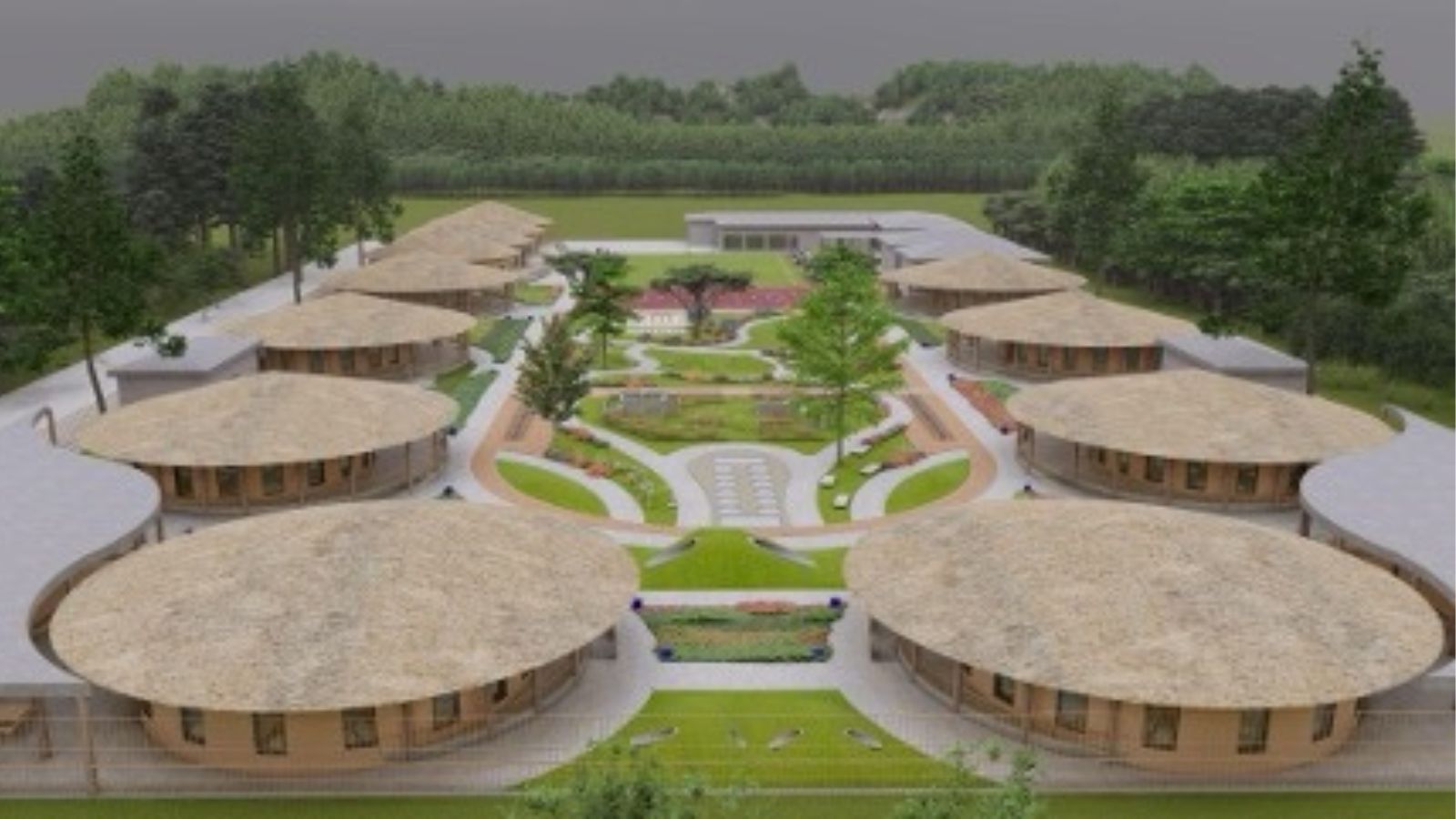
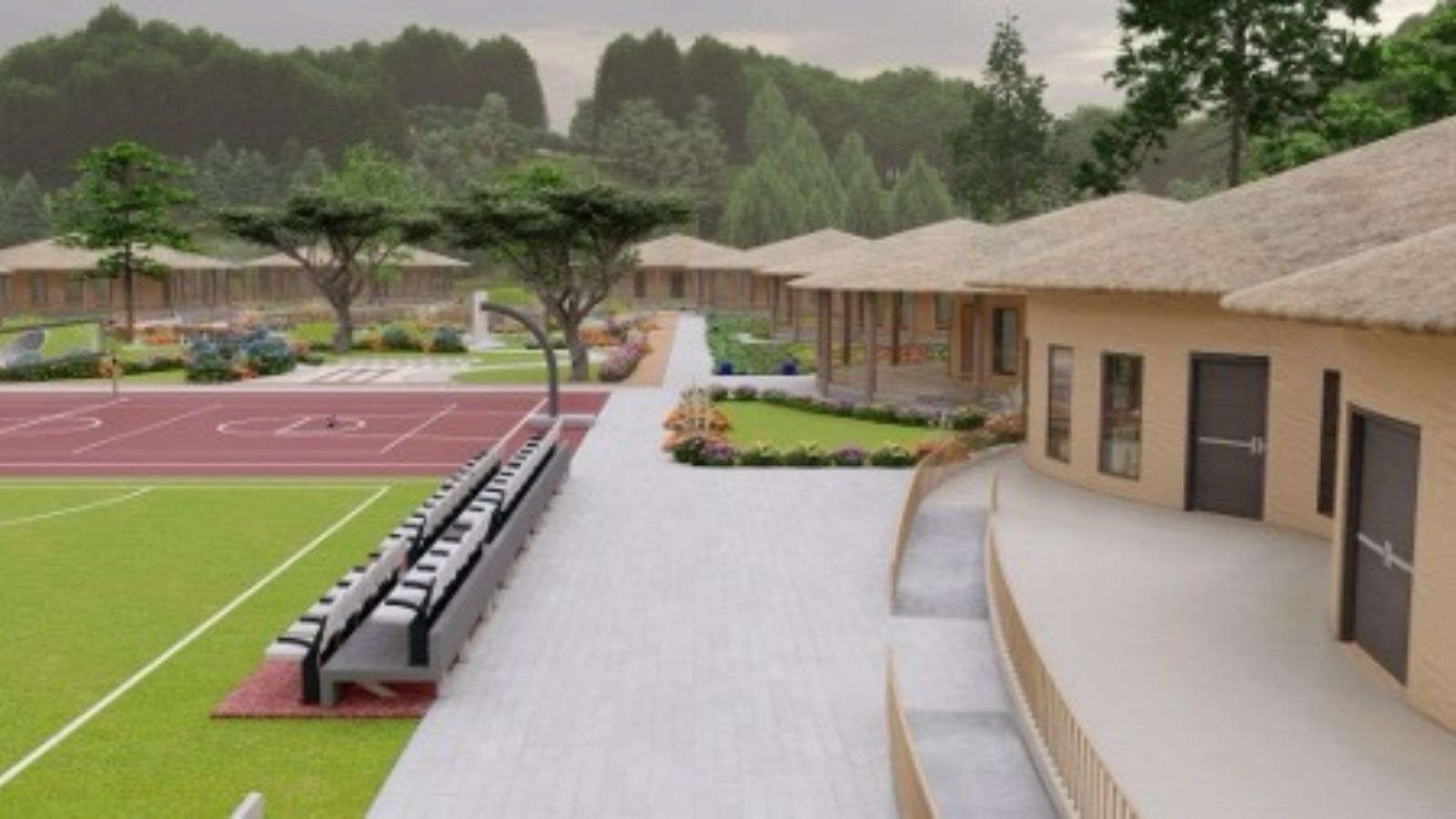
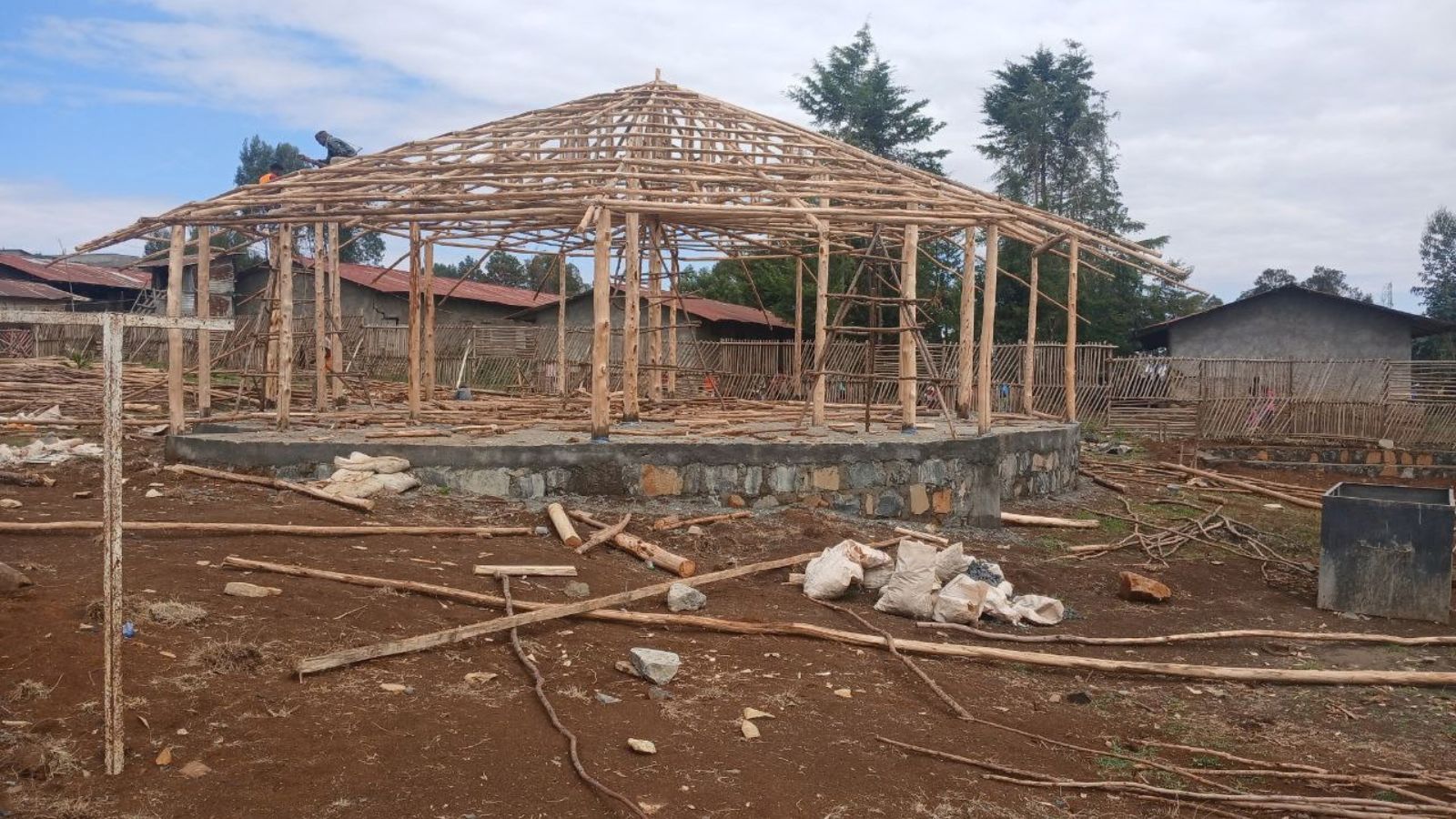
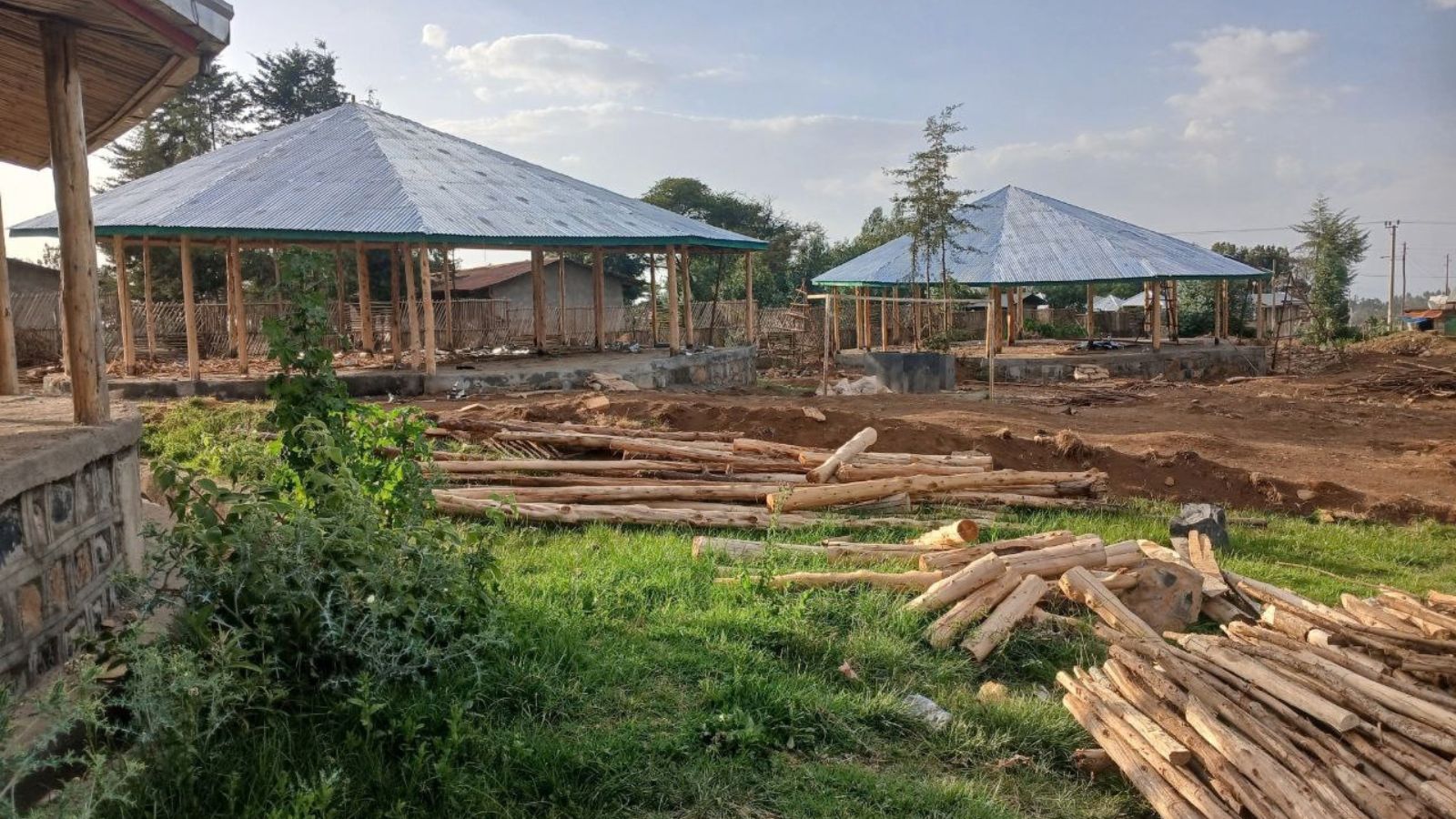
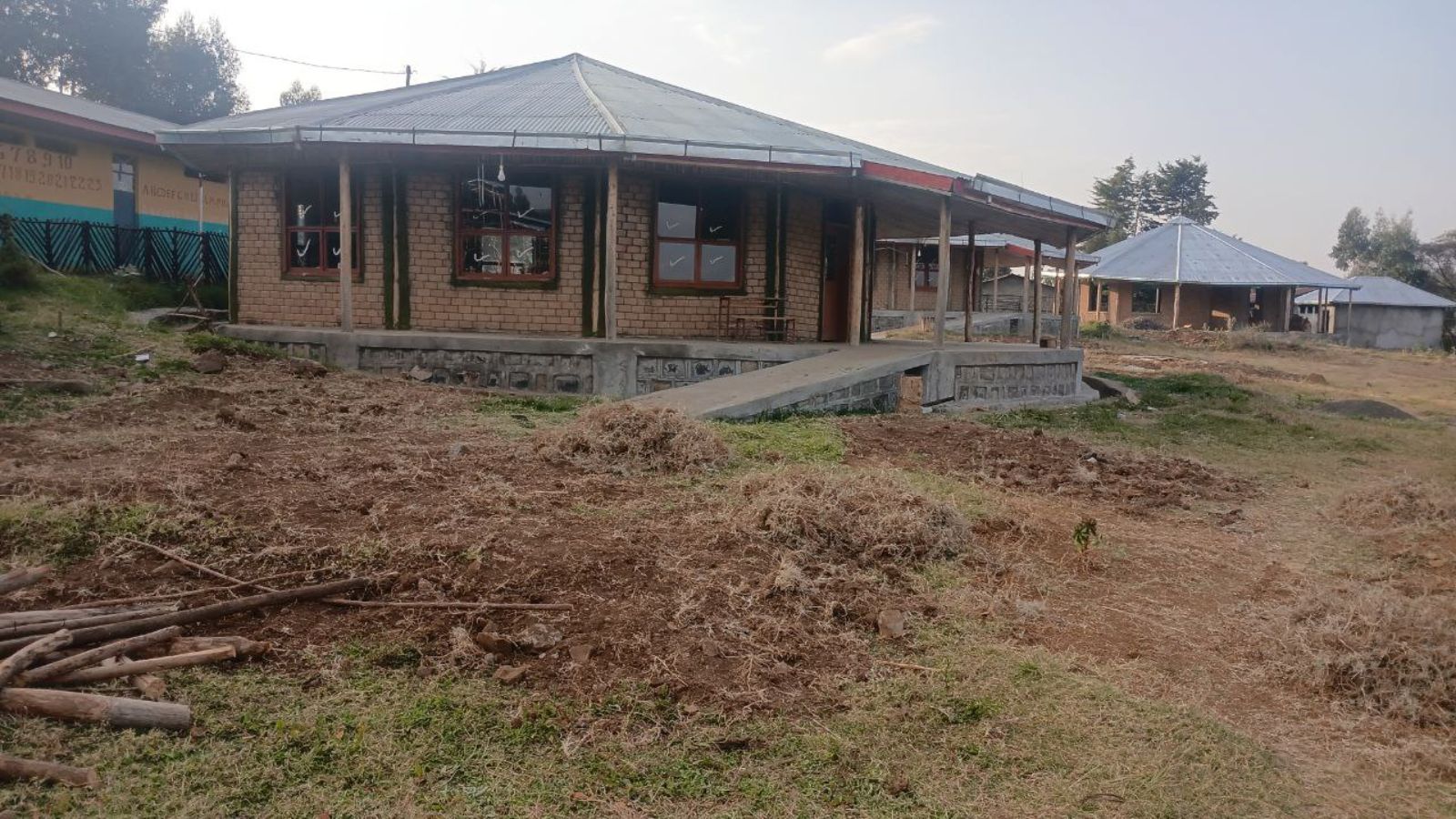
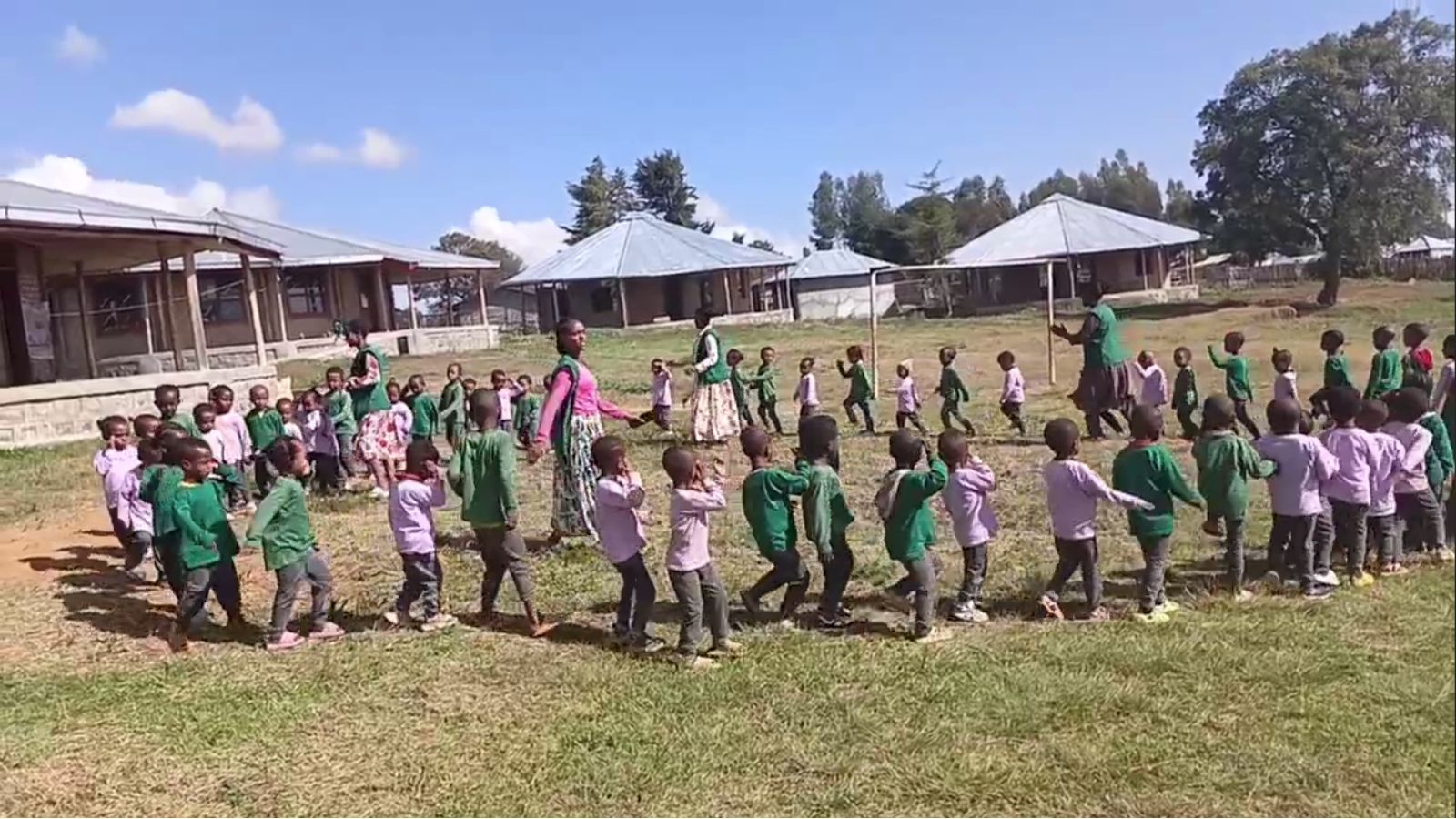
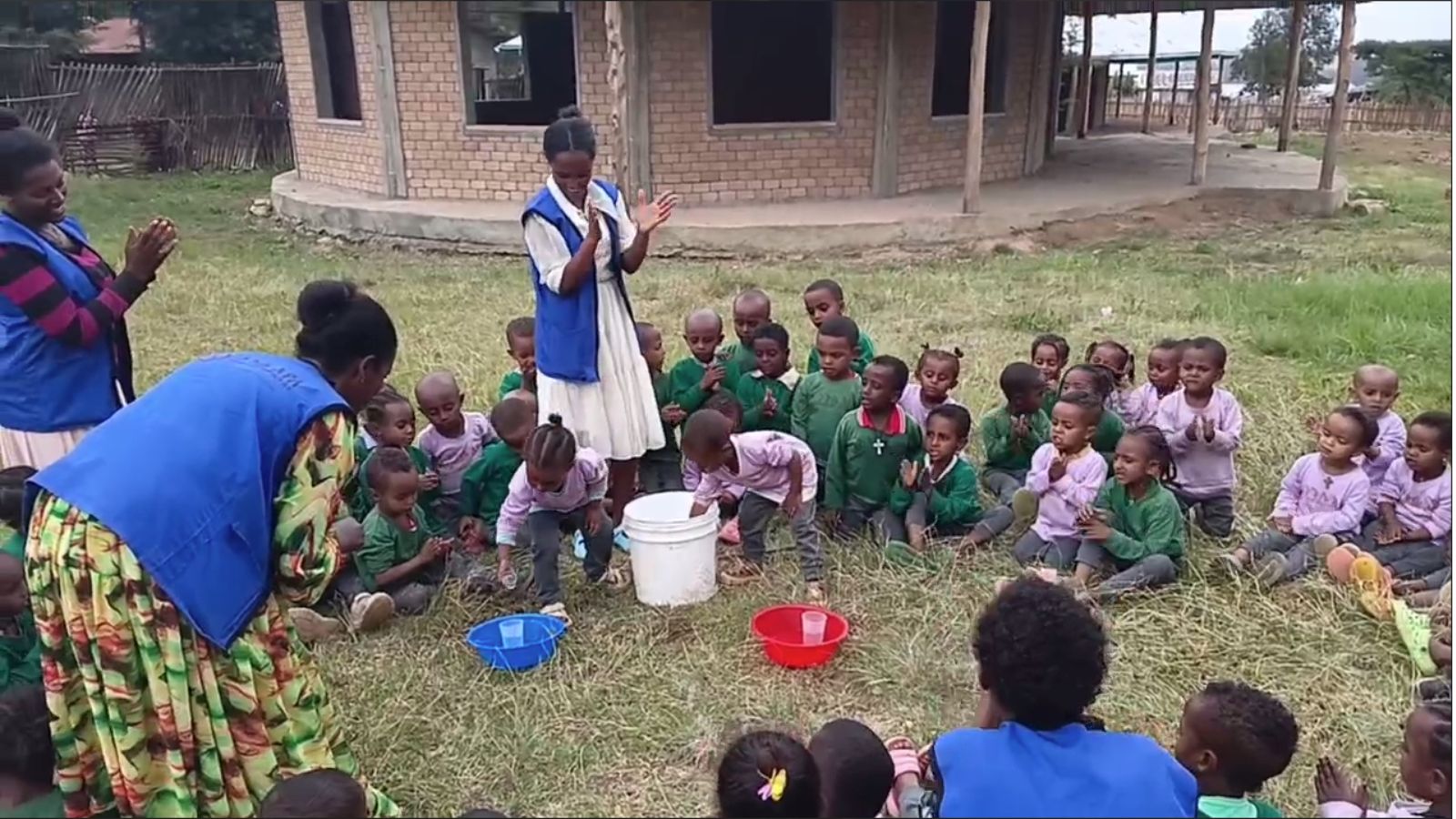
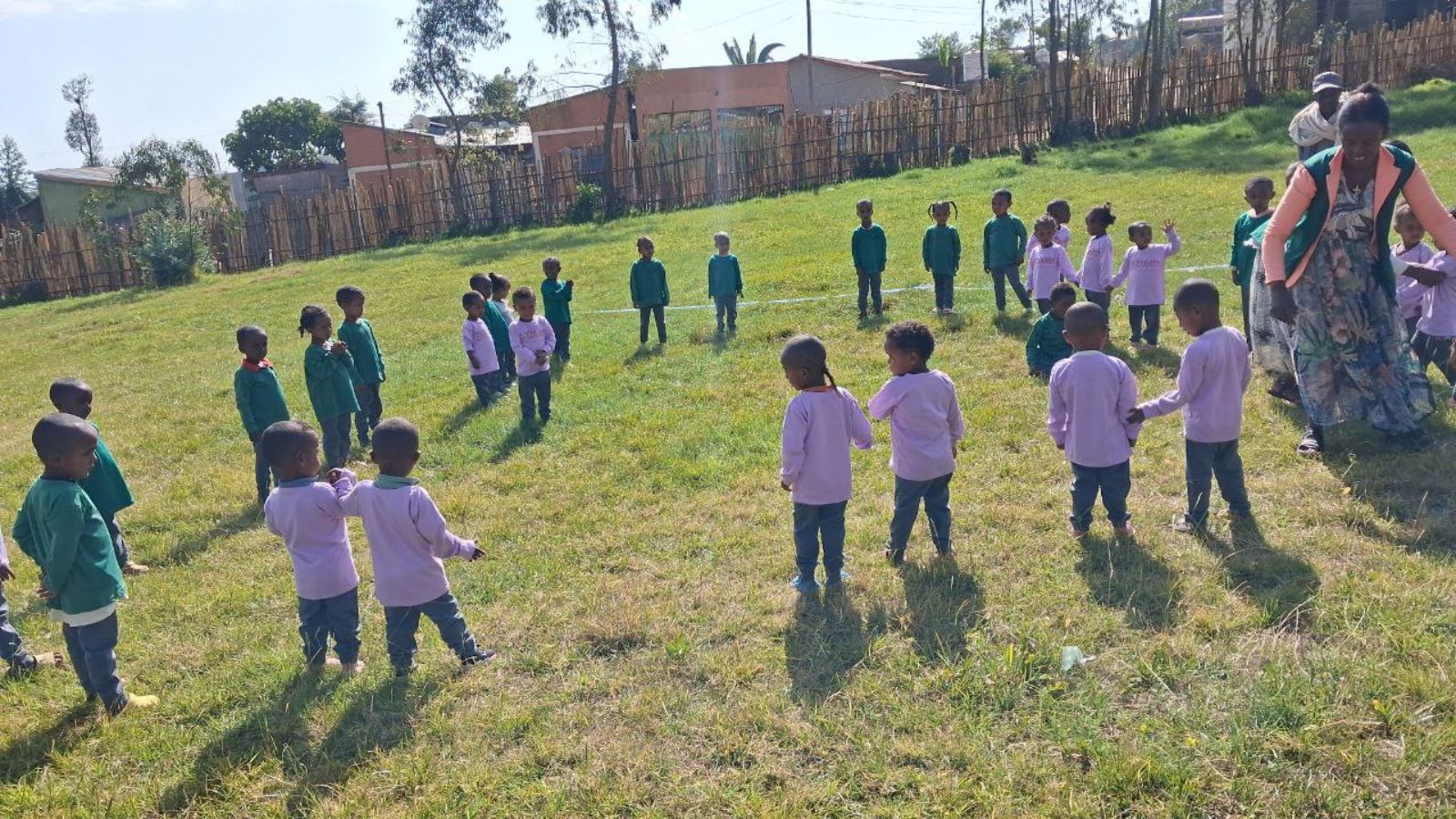
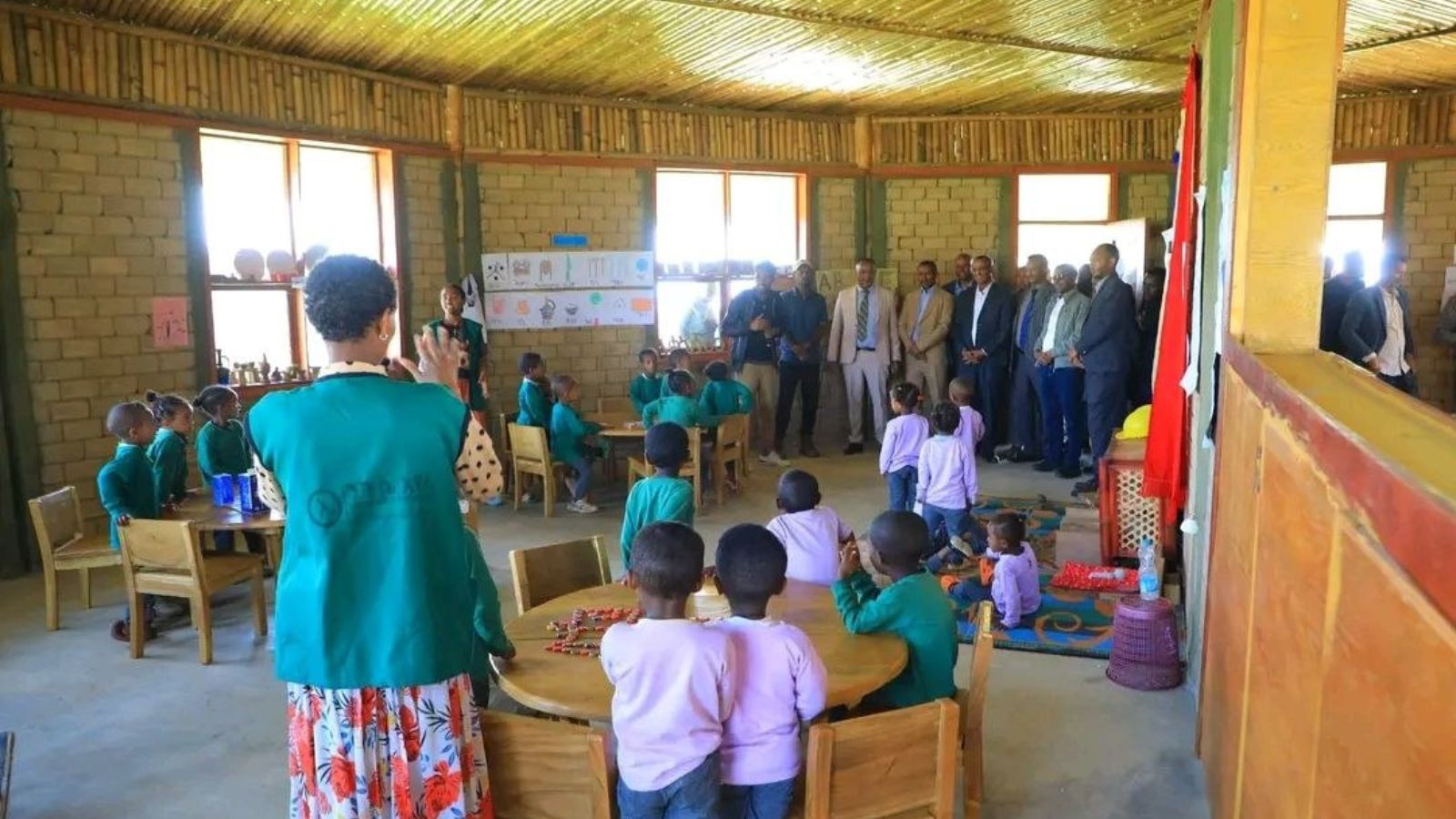
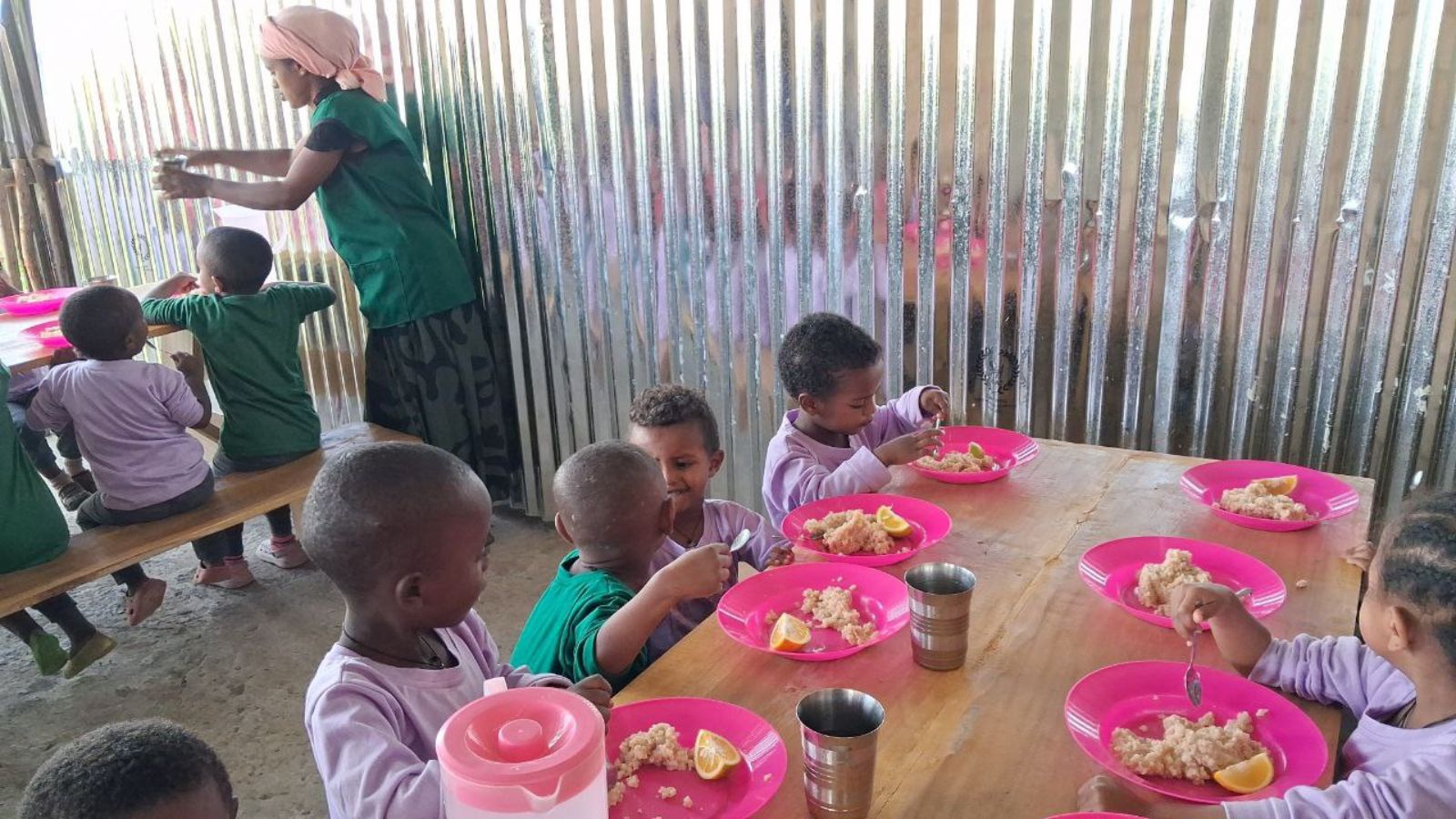
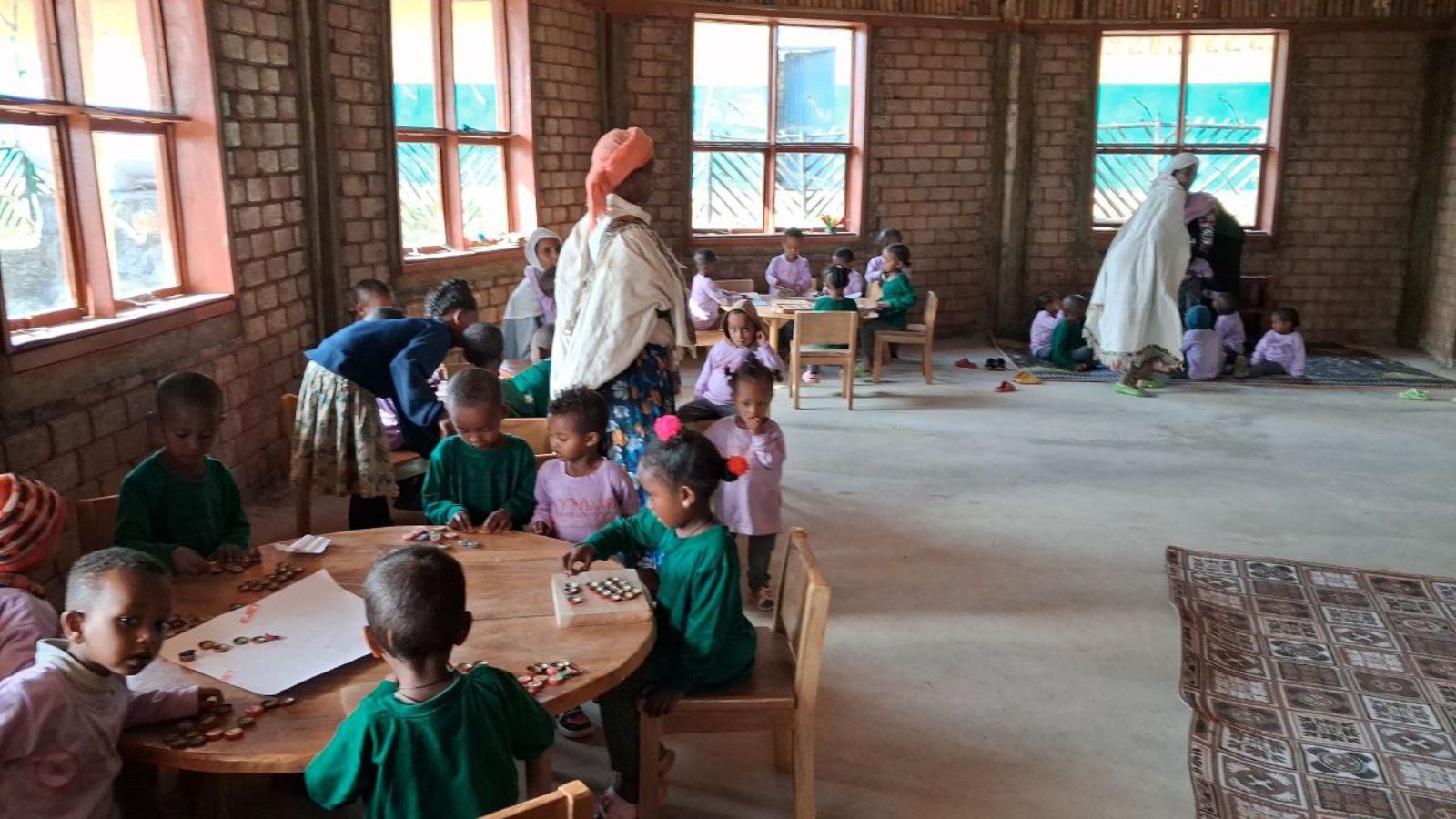
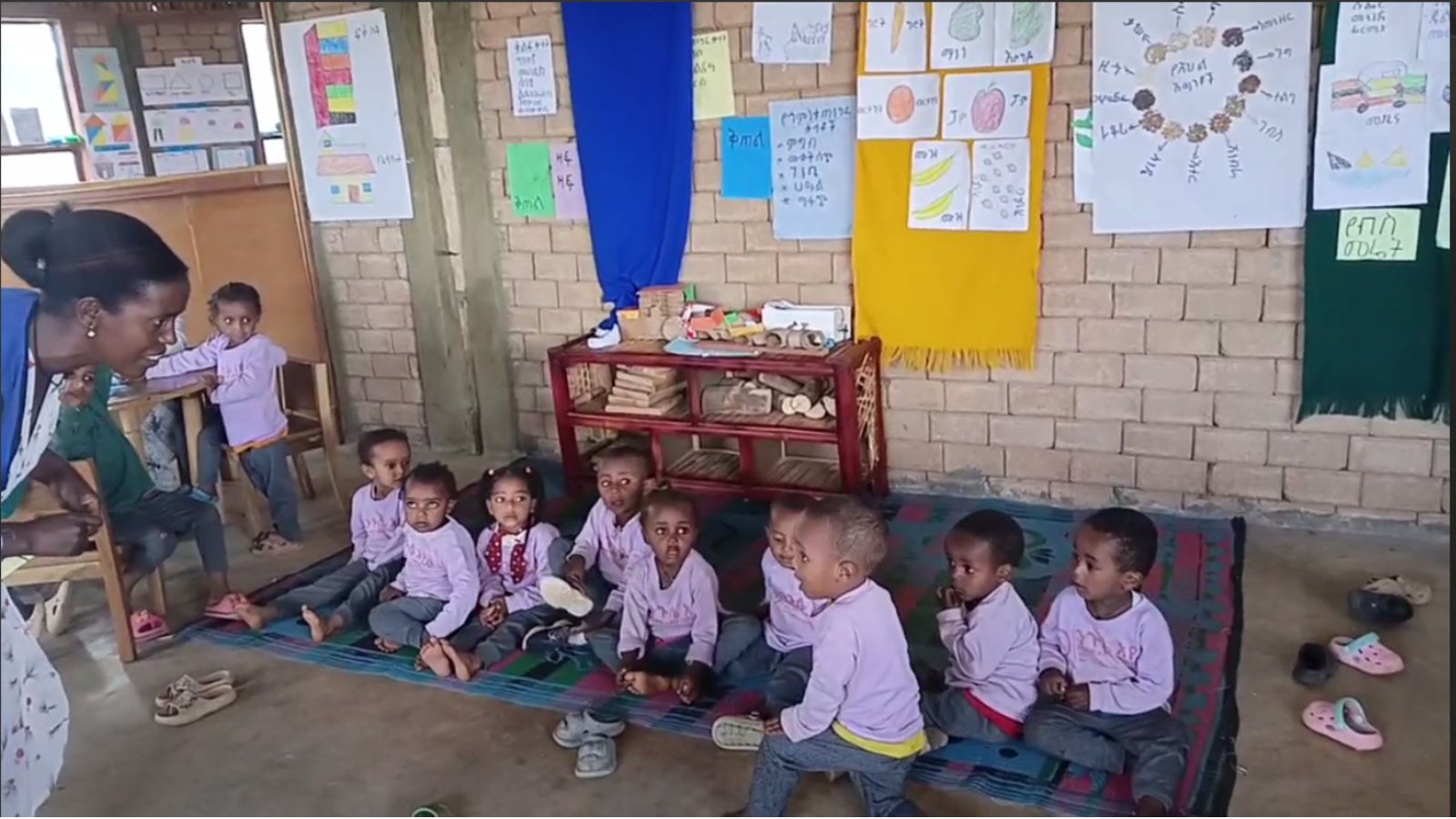
This early childhood education project, sponsored and led by Early Childhood Education Ethiopia (ECEE), is the first in a series of planned preschool projects in the region. Driven by a clear mission to meet the educational needs of rural communities throughout Ethiopia, ECEE is committed to prioritizing, advancing, and expanding early learning programs on a significant scale while embracing sustainability as a core principle, from the initial design and planning to the use of locally-sourced materials and sustainable construction methods. This project consists of six community classrooms following a Gojo Bet design – a traditional circular housing structure commonly used in Ethiopia and throughout Africa. These structures will accommodate regular classrooms, as well as a library, an art room, and a science lab, and they will open to an outdoor eating area, equipped with a fully functional kitchen. The project design also includes an open play area that progressively expands to offer increasingly complex play opportunities, aligned with the students’ varying developmental needs.
Plan for Envision:
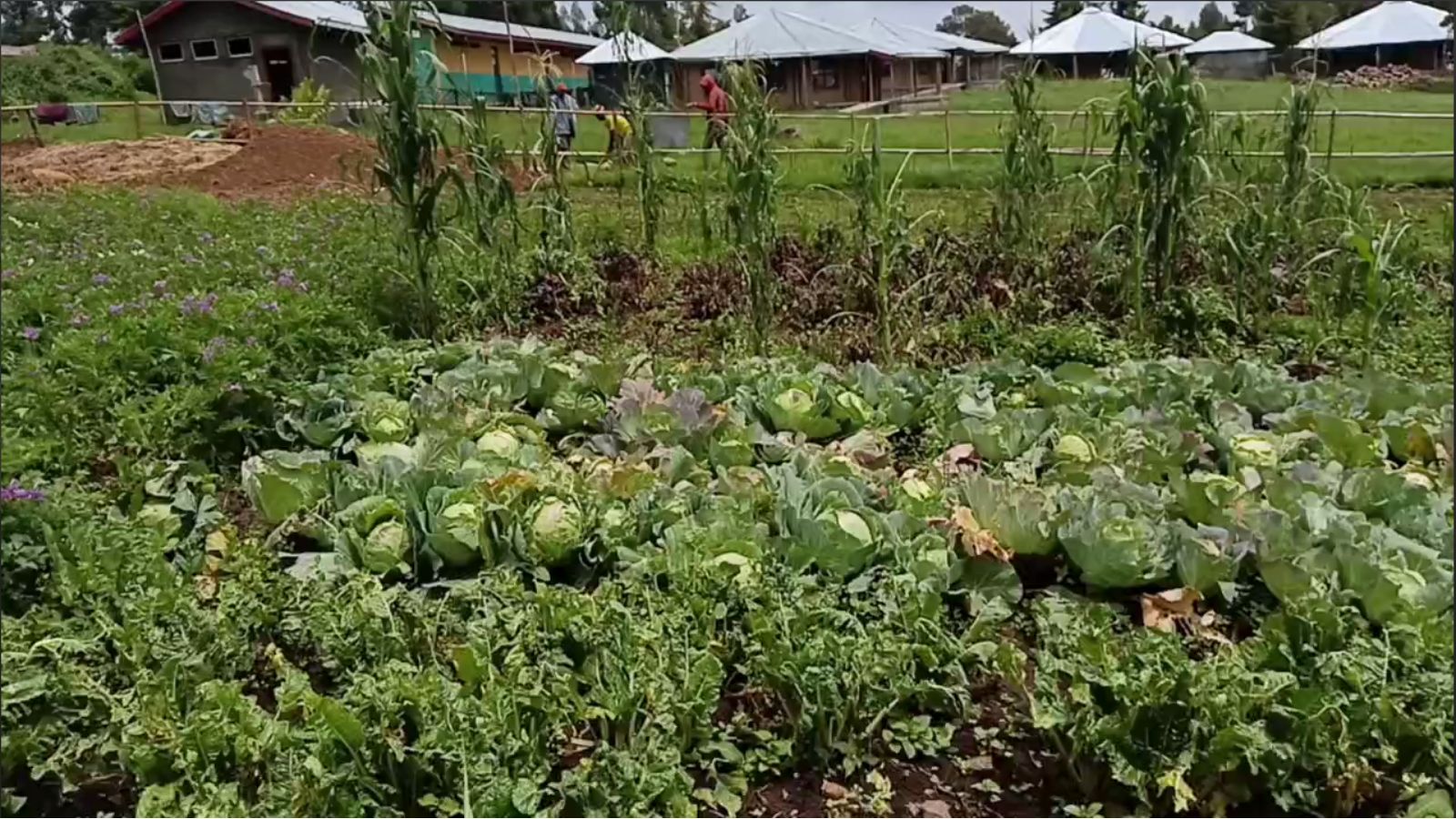
This is the first project in Africa to register to pursue Envision verification. The project’s sponsor and leader, Early Childhood Education Ethiopia (ECEE), is committed to expanding early learning programs while embracing sustainability as a core principle. Early in the project’s planning and design, a U.S.-based engineer supporting the team contacted ISI for technical assistance with applying Envision. This request ultimately led to the development of the Technical Assistance Program (TAP), through which ISI provides resources and training at no cost to selected project teams in small and/or economically distressed communities. By applying the Envision framework, the project team has been able to take a more holistic approach to planning and design, with greater focus on broader community benefits and opportunities to pursue long-term sustainability goals. Envision has helped guide decisions related to materials selection, construction methods, resource conservation, and the project’s relationship to its surrounding environment. For example, the team is responding to regional water priorities by incorporating rainwater harvesting, while plans to utilize solar energy will help conserve other resources. The school’s outdoor space will also integrate farming into students’ play and learning, providing small plots where they can gain hands-on experience growing food. These efforts reflect Envision’s emphasis on watershed protection, resource conservation, and creating lasting social and environmental benefits. Through its adoption of Envision, the ECEE team is demonstrating leadership in sustainable infrastructure development in the region and establishing an example that may inspire future projects in Ethiopia and across Africa.
Academic Engagement:
The project team initially engaged local universities and schools for academic support and subject matter expertise, creating a strong foundation for collaboration and knowledge sharing. As the project evolved, the team broadened its engagement to include the local education bureau, public health extension workers, agricultural stakeholders, and an advisory board representing key community organizations. These partnerships helped bring local expertise and community perspectives into the project’s planning and development.
“From the onset of this project, we have closely worked with faculty and administrative staff members to better understand the community makeup, capacity to support such a project, and commitment to the changes it will bring. Beyond the involvement of these community members, the Debre Tabor University president, Gaffat School principal, local education bureau, administrators, teachers, parents and elders in the community have also been fully engaged in the process. We hope as an organization that the Gaffat Community Preschool project will influence the way schools are built in Ethiopia.”– Dr. Hawani Negussie, ENV SP, ECEE, Founder and Executive Director
Project Updates